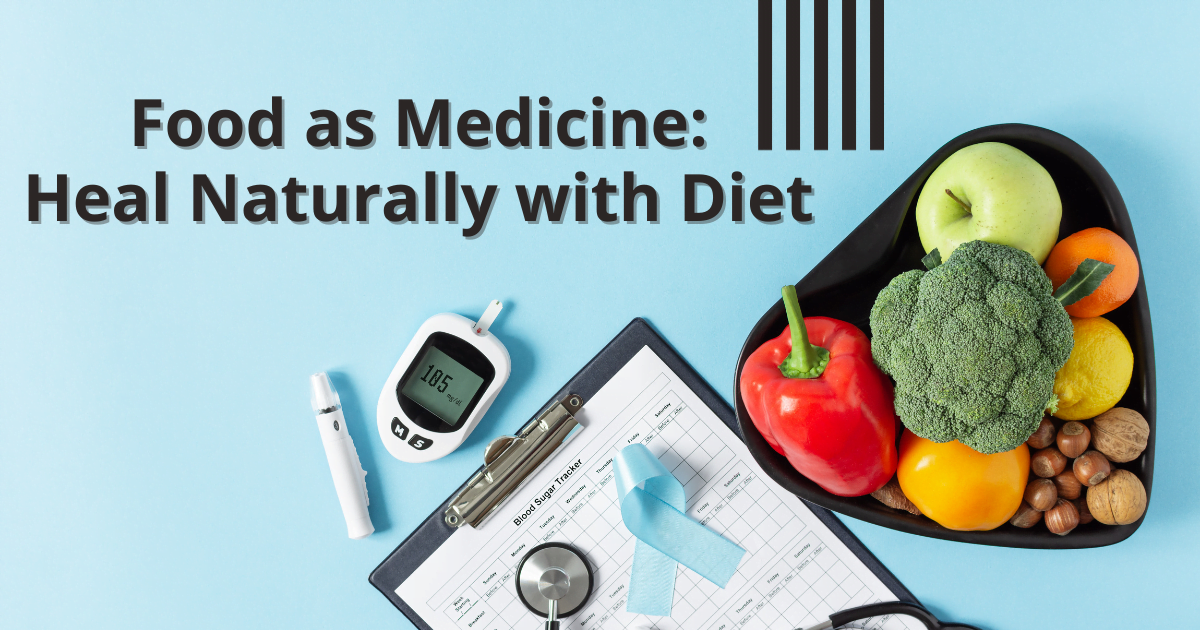
There’s no doubt that food plays a critical role in our overall health and well-being. But did you know that what you eat can also be used as medicine to help heal your body naturally?
That’s right, the concept of “food as medicine” is gaining popularity as more and more people are looking for alternative ways to treat common ailments and chronic conditions.
And there’s good reason for this trend. After all, food is the most natural and readily available form of medicine that we have.
But using food as medicine isn’t just about consuming the right nutrients. It’s also about avoiding the foods that can contribute to poor health.
In this blog post, we’ll explore the concept of food as medicine and show you how you can use diet to heal your body naturally.
Table of Contents
Key Takeaways
- The tradition of using food as a form of medicine is a practice with ancient origins and modern significance.
- Nutritional healing harnesses the power of a balanced diet to help prevent, manage, and potentially reverse certain health conditions.
- A holistic diet emphasizes the therapeutic potential of natural foods, blending nourishment with natural remedies for greater wellness.
- Dietary wellness and a personalized approach to nutrition therapy are becoming integral to contemporary healthcare strategies.
- Understanding and applying the principles of healing through diet is empowering individuals to take control of their health and vitality.
The Concept of Food as Medicine
Long before the advent of modern pharmacology, ancient civilizations recognized the therapeutic powers of certain foods. The Greeks, led by the wisdom of Hippocrates, advocated for dietary prevention as a key factor in maintaining health, coining the phrase “Let food be thy medicine and medicine be thy food.” Across continents, traditional Indian Ayurveda and Traditional Chinese Medicine have also extensively documented the role of therapeutic nutrition in achieving a balanced state of body and mind.
These time-honored traditions are experiencing a renaissance in the context of modern integrative medicine, as an emphasis on an anti-inflammatory diet and the role of foods in bolstering immunity gain scientific validation. The research community, investigating the properties of healing foods, has uncovered compelling evidence about how certain dietary patterns can profoundly impact our well-being.
- Antioxidant-rich foods: such as berries, nuts, and green leafy vegetables, have been found to reduce oxidative stress and thwart cellular damage.
- Phytochemical-packed produce: including tomatoes, carrots, and cruciferous vegetables, offer protection against chronic diseases through their complex chemical structures.
- Lean proteins and fatty fish: provide essential amino acids and omega-3 fatty acids, crucial for muscle repair and reducing inflammation throughout the body.
- Whole grains: contribute necessary fiber, supporting digestive health and maintaining stable blood sugar levels.
However, the integration of healing foods into one’s diet transcends mere nutrient intake; it embodies the philosophy of food and immunity as a harmonious entity. The anti-inflammatory diet has gained popularity, not just amongst health enthusiasts, but also as a recommendation from medical professionals. With its emphasis on minimizing processed foods and trans fats, while amplifying the consumption of fruits, vegetables, and healthy fats, this diet can act as a preventative regime against a plethora of inflammatory-related ailments.
Through the lens of therapeutic nutrition, herein lies an understanding that each meal is an opportunity to positively influence our body’s intricate systems. Scientific studies have illuminated the efficacy of foods that bolster our defense against illness and accelerate our healing processes, aligning ancient wisdom with contemporary practice.
This holistic approach to well-being posits that a well-crafted symphony of dietary choices could very well be the unsung hero of health maintenance, leading to a future where nutritional literacy and dietary prevention are as commonplace as any well-stocked medicine cabinet.

Implementing a Healing Diet: Practical Tips and Considerations
Embarking on a journey towards a healing diet is not just about identifying superfoods, but about incorporating a wide array of dietary sources of vitamins, essential nutrients, and bioactive compounds. To make this transition seamless and effective, understanding how to weave these components into daily meal planning is essential. Personalized nutrition strategies and the concept of food synergy will serve as the foundation for developing balanced eating patterns that enhance nutrient absorption, optimize digestion, and promote overall health. Let’s explore actionable ways to bring the power of healing foods into your daily routine.
Identifying Healing Foods and Nutrients
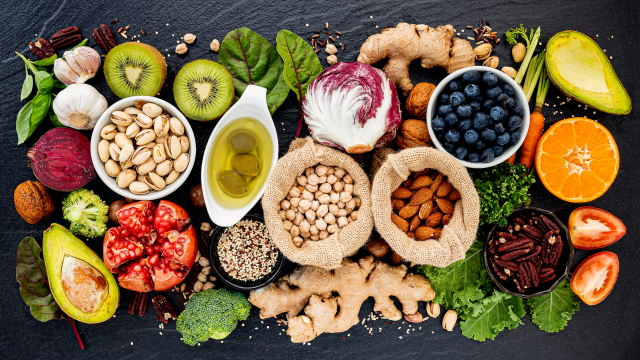
Building a foundation of nutrient-rich foods begins with identifying which superfoods and essential nutrients offer the most potent health benefits. These foods not only provide vitamins and minerals but also contain bioactive compounds that work in harmony with the body to promote healing and well-being. Here are some of the top dietary sources that should find a place in your healing diet:
- Leafy greens, like kale and spinach, are excellent for vitamin K and iron.
- Berries offer antioxidants and essential phytonutrients.
- Nuts and seeds, rich in omega-3 fatty acids, support heart health and cognitive function.
- Whole grains provide dietary fiber for digestive health.
- Legumes are a sustainable source of protein and minerals.

Creating a Balanced and Inclusive Diet Plan
Personalization is key to a sustainable healing diet. Personalized nutrition takes into account individual dietary needs and goals, making meal planning an effective tool for fostering dietary diversity and balanced eating patterns. To support varied and enjoyable eating habits, including a spectrum of food groups is critical. The following table outlines a sample week of balanced meals that incorporates various superfoods and nutrient-dense foods.
| Day | Breakfast | Lunch | Dinner |
|---|---|---|---|
| Monday | Oatmeal with blueberries and almonds | Quinoa salad with avocado and chickpeas | Grilled salmon with roasted vegetables |
| Tuesday | Green smoothie with spinach and banana | Lentil soup with whole-grain bread | Turkey stir-fry with bell peppers and brown rice |
| Wednesday | Greek yogurt with honey and walnuts | Chicken Caesar salad with whole-grain croutons | Vegetable curry with chickpeas over basmati rice |
Understanding Food Interactions and Their Effects on Health
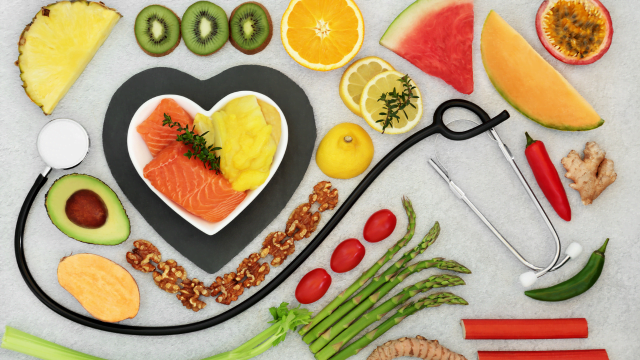
Not all foods deliver their full nutritional potential when eaten in isolation. The concept of food synergy highlights the importance of combining certain foods to boost nutrient absorption and enhance health benefits. For example, pairing vitamin C-rich foods like strawberries with iron-rich spinach can enhance iron absorption. Other recommended food combinations include:
- Fats with carotenoids: Avocado with tomato salad to increase the uptake of antioxidants.
- Protein with fiber: Beans with whole-grain rice to improve satiety and digestion.
Integrating these mindful food combinations into your meal planning can play a crucial role in optimizing your dietary health.

Adapting to Dietary Changes and Listening to Your Body
Transitioning to a healing diet requires both mindful eating and body awareness. Dietary adaptation is an ongoing process that involves tuning in to your body’s cues and making adjustments as needed. Health monitoring becomes a valuable tool in recognizing how different foods impact your energy levels, mood, and physical sensations. By creating space for mindfulness in our eating habits, we naturally gravitate towards foods that serve our health and well-being. In essence, a healing diet is not just about the foods we eat—it’s about cultivating a relationship with our bodies and learning to nourish ourselves holistically.
Conclusion
Through our exploration of food as healing, we’ve uncovered the profound impact of thoughtful, strategic eating on our overall well-being. A shift towards proactive nutrition emphasizes that our plates are far more than just a medley of colors and flavors; they are a dynamic toolkit for promoting sustainable health. The integration of nutrient-dense superfoods, the embrace of lifestyle changes, and the attentive combinations of foods to optimize their healing potential are all part of a resilient blueprint for wellness that our ancestors initiated and modern science is rapidly validating.
In the pursuit of a healthier tomorrow, aligning our diet with medical insights offers a promising avenue for the prevention and management of illness. As we’ve discussed, embracing a variety of whole foods rich in vitamins, minerals, and antioxidants can act as a natural medicinal intervention. The art of culinary alchemy—pairing the right ingredients for maximum benefit—not only enriches our palates but fortifies our bodies against disease. With the growing awareness of the medicinal properties of foods, it’s an exciting time to recalibrate our approach to nutrition and healthcare.
So, as we close this culinary chapter, let’s carry forward the message that maintaining a healthy lifestyle is inexorably linked to the foods we choose to consume. By infusing our meals with intention and mindfulness, every bite becomes a step toward a more vibrant, healthful existence. Let food be the cornerstone of your health; let your kitchen be your sanctuary for sustainable health, and let the ancient wisdom of food as healing guide your journey toward a thriving life, rich in not just sustenance, but purposeful nutrition and proactive well-being.

FAQ
What is the concept of food as medicine?
Food as medicine is the practice of using a balanced diet to prevent, manage, and reverse certain health conditions. It involves understanding the nutritional content of food and how it can promote overall wellness and serve as a natural remedy for various ailments.
Can food really help heal the body?
Yes, there is a growing body of scientific evidence that supports the efficacy of diet-based interventions in healthcare. Nutritional healing focuses on consuming foods rich in antioxidants, phytochemicals, and other bioactive compounds that can contribute to therapeutic nutrition and strengthen immunity.
What are some examples of healing foods?
Foods considered to have healing properties often include fruits, vegetables, grains, lean proteins, and other dietary sources of essential vitamins and minerals. These can be part of an anti-inflammatory diet or contribute to dietary wellness through their nutritive value. Superfoods like berries, leafy greens, nuts, and seeds are also recognized for their dense nutrient profiles.
How can I start incorporating a healing diet into my life?
Starting a healing diet involves identifying nutrient-rich foods, creating a balanced meal plan, and understanding food interactions and how they affect health. Personalized nutrition and mindful eating are key, so listening to your body and gradually adapting to dietary changes is recommended. Seeking guidance from a nutritionist or dietitian can be helpful in this transition.
What should I consider when planning my meals?
When planning your meals, consider dietary diversity and balanced eating patterns to ensure you’re getting a wide range of essential nutrients. Think about food synergy and how different foods can enhance nutrient absorption. Use meal planning tools to help develop sustainable, enjoyable eating habits that cater to your unique nutritional needs.
How important is understanding food interactions for nutritional healing?
Understanding food interactions is crucial because certain food combinations can either boost or inhibit the absorption of nutrients in the body. Knowledge of these interactions can maximize the health benefits of a holistic diet and contribute to more effective nutrition therapy.
Can lifestyle changes enhance the effects of a healing diet?
Absolutely, lifestyle changes play a significant role in enhancing the effects of a healing diet. Integrating physical activity, adequate sleep, and stress management techniques can complement your nutritional efforts, leading to more profound health benefits and sustainable wellness.